-

Ecuador
+ Learn more -

PHILIPPINES
+ Learn more -

HAWAII
+ Learn more


HISTORY
the philippines has been growing coffee since the 18th century.
Made up of over 7,000 islands, the Philippines has a range of microclimates and conditions that are perfect for growing high quality coffee. At one point, it was the world’s fourth largest exporter of coffee. The nation has since endured through climate change, natural disasters, and international competition to re-emerge as a competitive supplier of Philippine specialty coffee.


Philippine specialty coffee showcases a range of flavor profiles, roast styles, and processing methods.
EXpect FLAVOR notes changing from:
juicy and tropical, to dark, chocolatey, and bittersweet.

THE LEGACE OF LIBERICA COFFEE
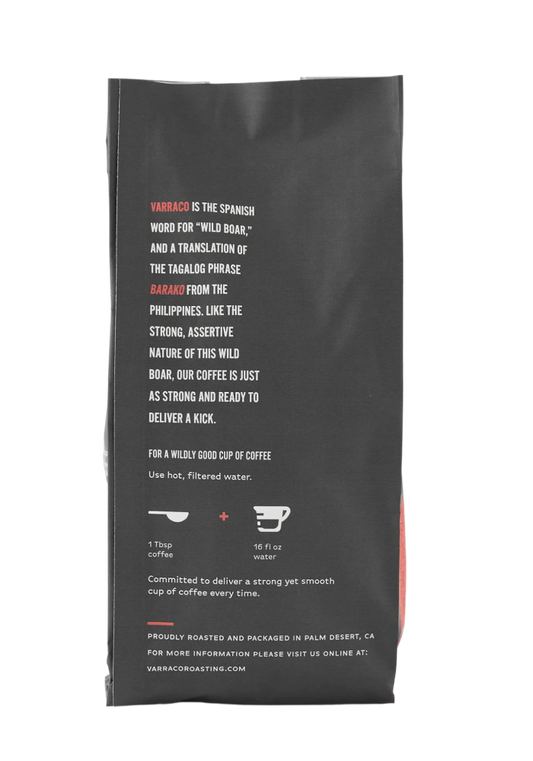
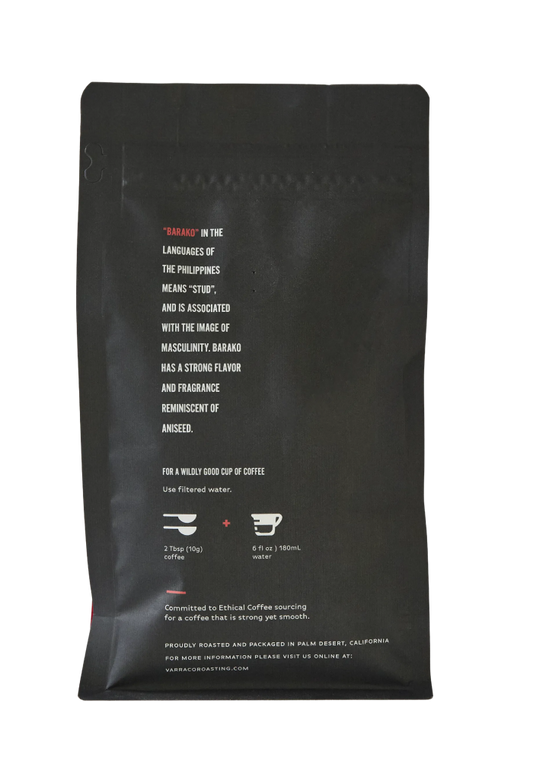
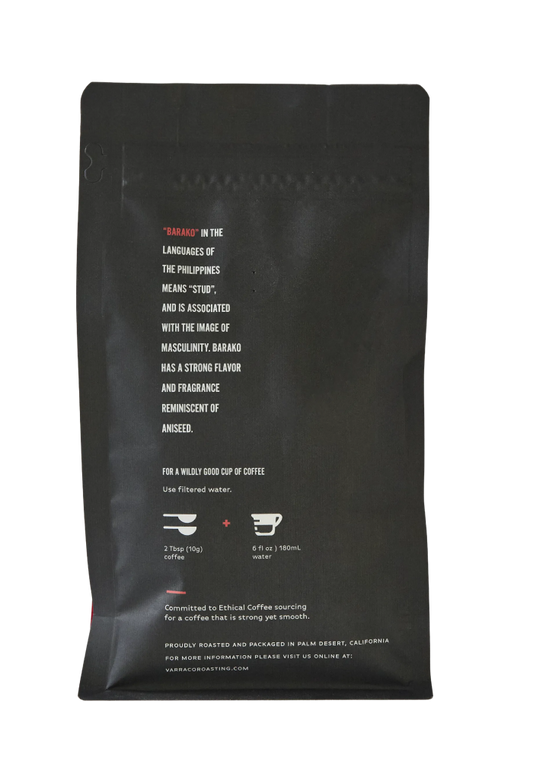
Making up less than 2 percent of the world’s supply, Liberica coffee is hard to find. The Philippines has been growing this coffee species for over 200 years, when a Spanish friar brought it to Batangas in 1740. Coffee farmers called Liberica kapeng barako for its distinctly bold aromas and “strong kick” of a taste.
Although it disappeared for a period of time, replaced by easy-growing Robusta, Liberica coffee is making a comeback in the Philippine specialty coffee scene.
REIMAGINING
LIBERICA COFFEE
Many have historically thought of Liberica as inferior - a coffee species with beans almost twice the size of specialty coffee beans. What we expect only the bold, bitter tasting notes of Liberica's past.
However, we've since learned that when done properly, Liberica can produce unbelievably sweet notes of mango and jackfruit, with almost no bitterness and very low acidity. Liberica also has significantly less caffeine than Arabica or Robusta, disease resistant, and almost 20 times the sugar of Arabica. We're excited to bring you the best of Liberica coffee from Varraco, along with other lesser known and exciting new coffees from Southeast Asia.
-
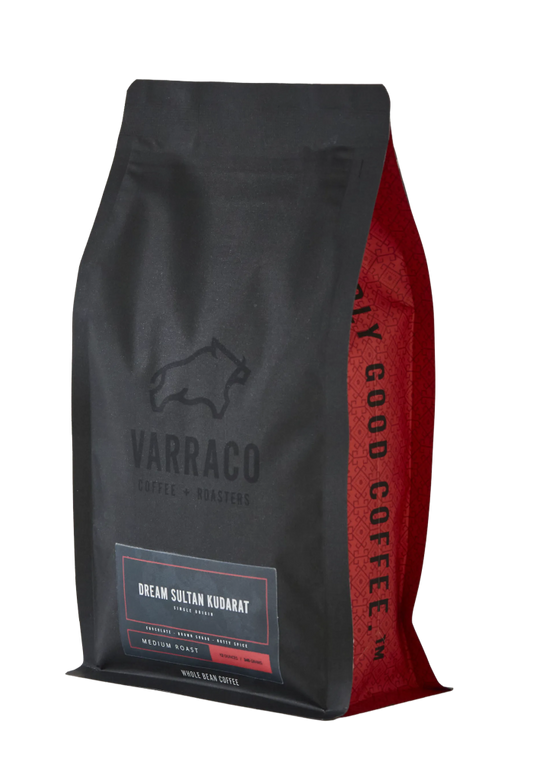
Dream Coffee
Regular price From $32.00Regular priceUnit price per -
Plantacion Agoncillo, Microlot
Regular price $40.00Regular priceUnit price per -
Single Origin Barako Coffee
Regular price $45.00Regular priceUnit price per -
Sitio Belis
Regular price From $32.00Regular priceUnit price per -
Sitio San Roque
Regular price From $32.00Regular priceUnit price per